
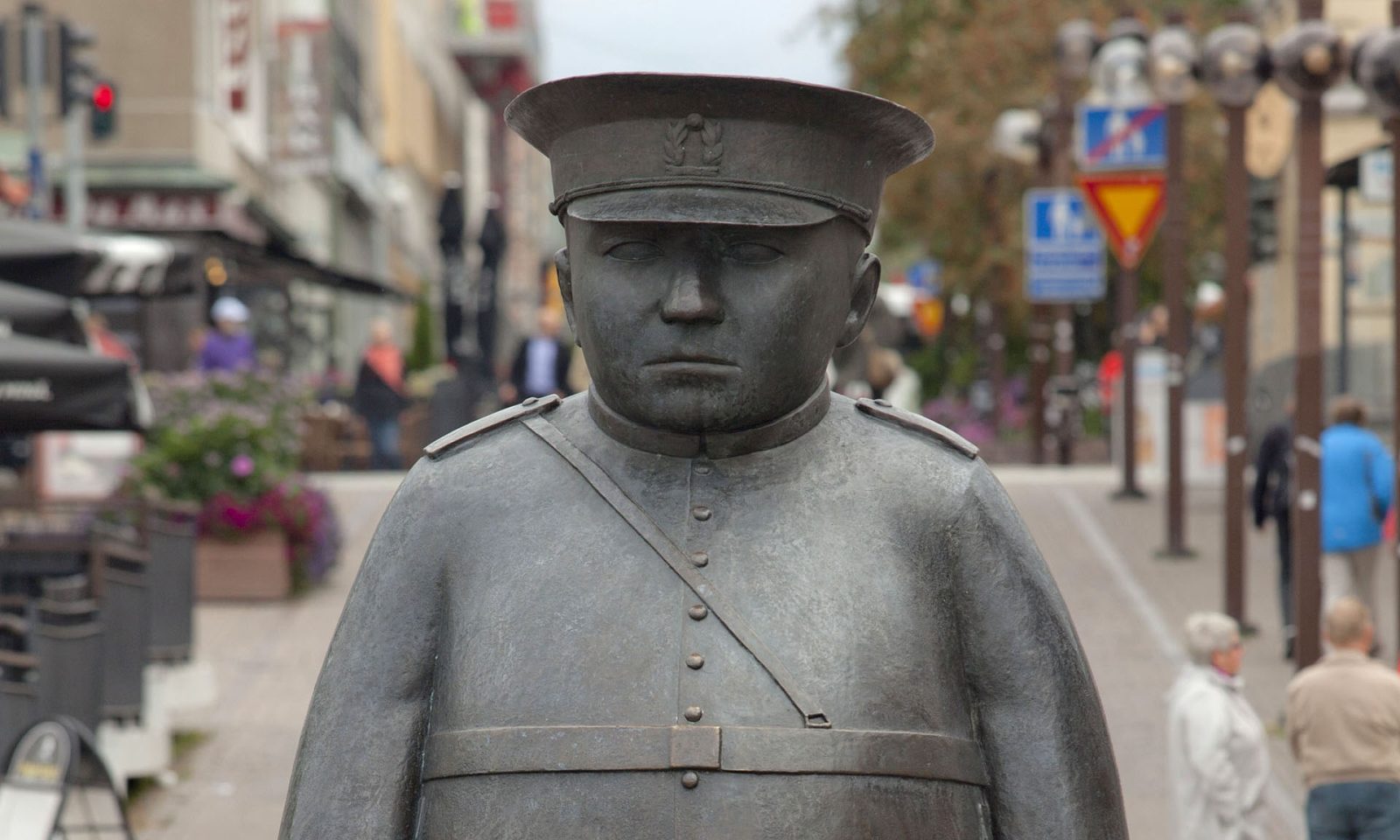
In 1985, Oulu Art Museum’s exhibition coordinator Kaija-Rita Koivisto (1922–2006) visited artist Kaarlo Mikkonen’s (1920–2001) studio in Kajaani about 180 kilometers east of Oulu. Koivisto saw a small dusty figure of a policeman on the studio’s windowsill which the artist had sculpted in the 1960s. The sympathetic sculpture impressed Kaija-Rita Koivisto. Later in the fall, she asked if the artist could sculpt a larger, public version for the Oulu Marketplace. The artist took up the offer.
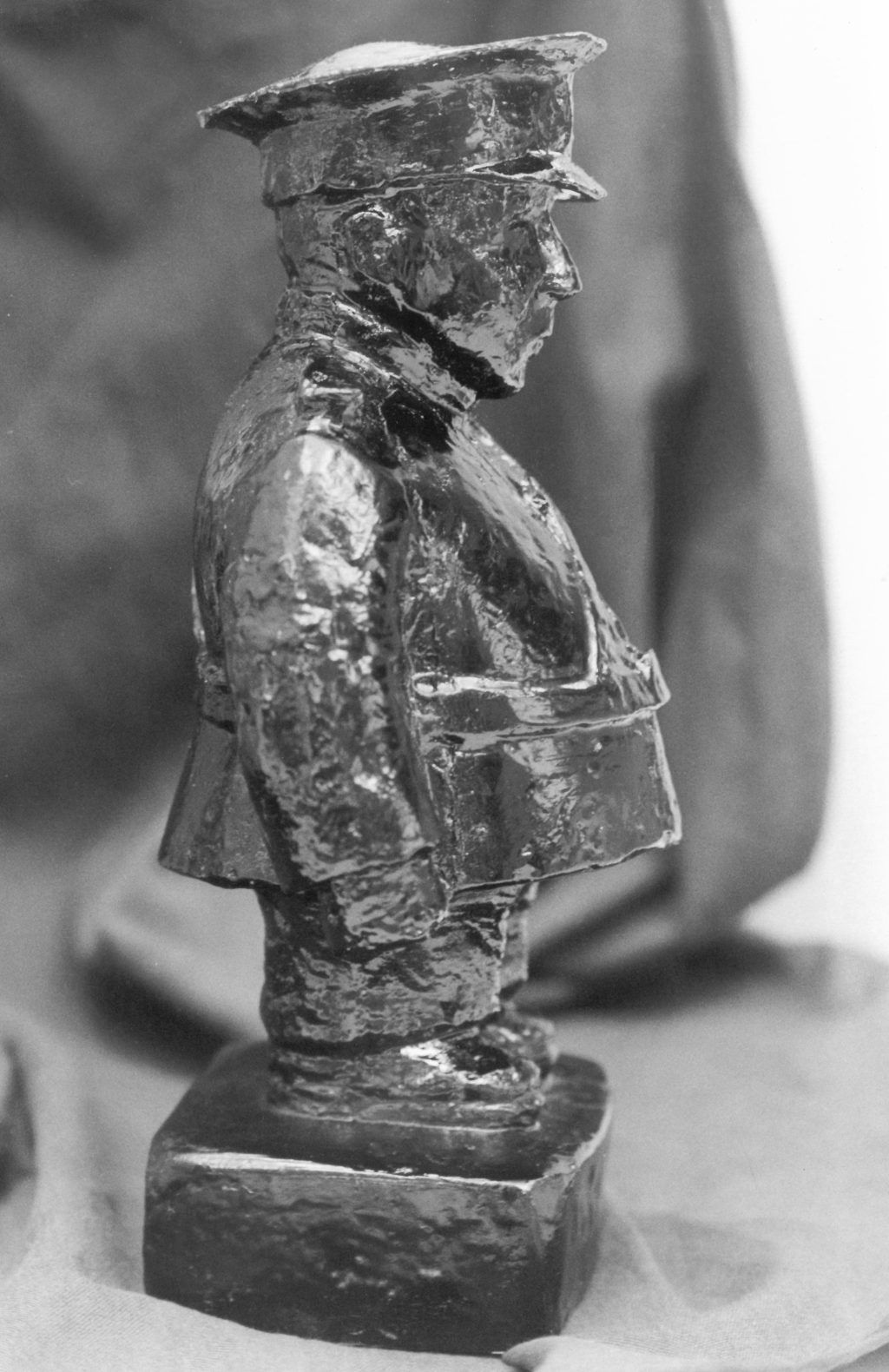
Miniature model of the Toripolliisi sculpture.
Kaija-Rita Koivisto and the Culture Correspondent of the local newspaper Kaleva Kaisu Mikkola, founded the Toripolliisineuvosto (Toripolliisi Council). Its goal was to promote the statue project. They aimed to install a public statue to liven up the silent Marketplace and represent the nearly century-long tradition of police supervision in the Marketplace from 1906 to 1979.
To monitor the funding process, a delegation was formed. Mayor Ilmo Paananen and Police Commissioner Erkki Haikkola were selected as patrons for the project. The statue’s cost evaluation was 200 000 Finnish marks, which is equivalent to about 80 000 €. The funding was collected as a general collection to ensure that the Toripolliisi would serve as a shared symbol of all citizens of Oulu.
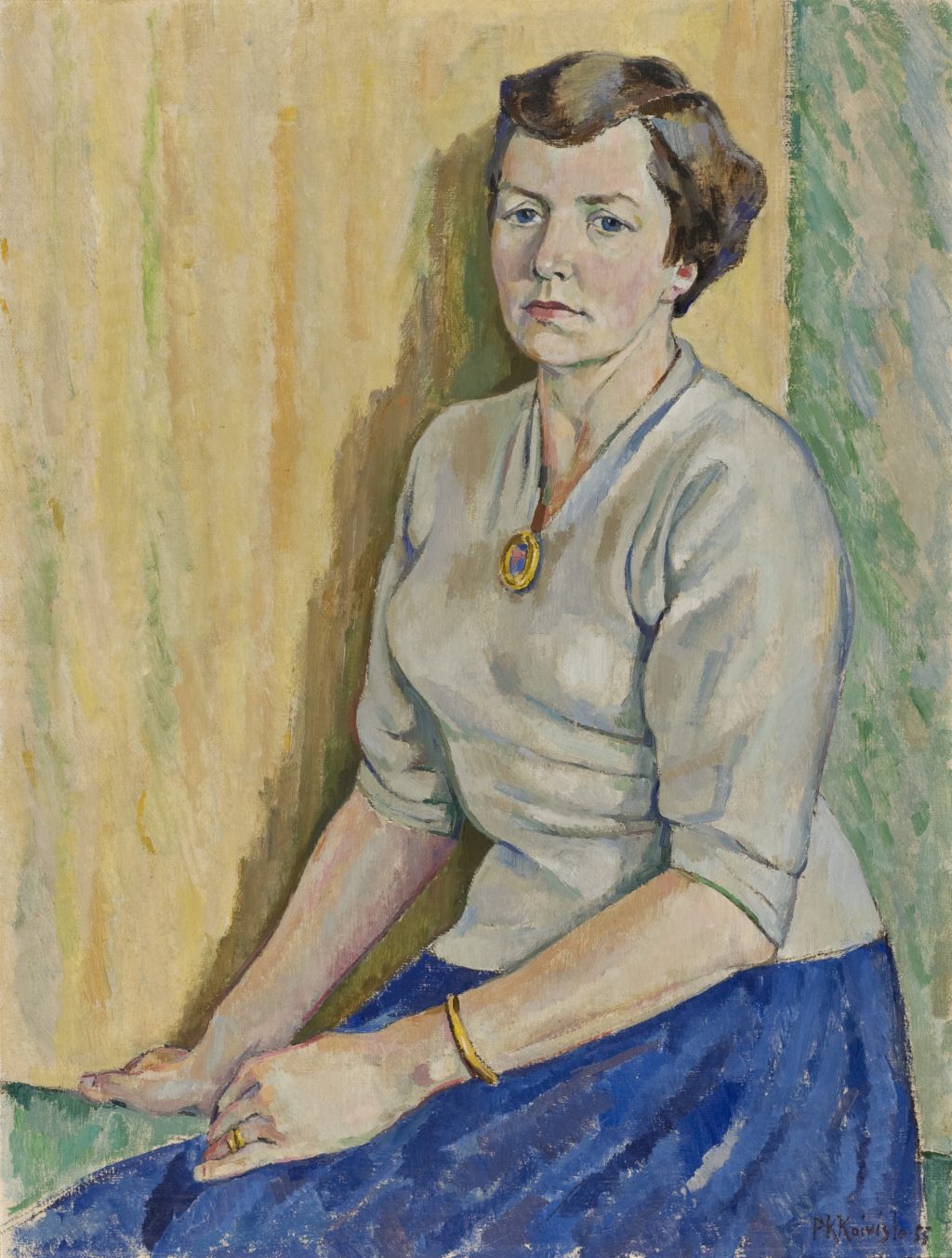
Kaija-Rita Koivisto’s portrait from 1955 painted by her artist husband Pentti Koivisto. The oil painting is part of the Oulu Art Museum Collection.
A shared project
The statue project was publicly launched during the Oulu Days on August 7, 1985. Citizens were encouraged and challenged to participate in the funding through different collections and events. The citizens got to challenge their relatives, friends, neighbors, colleagues, communities, and businesses on local papers and on the early mornings on Oulu Radio on Fridays. The challenges were followed up on regularly on the same mediums as well.
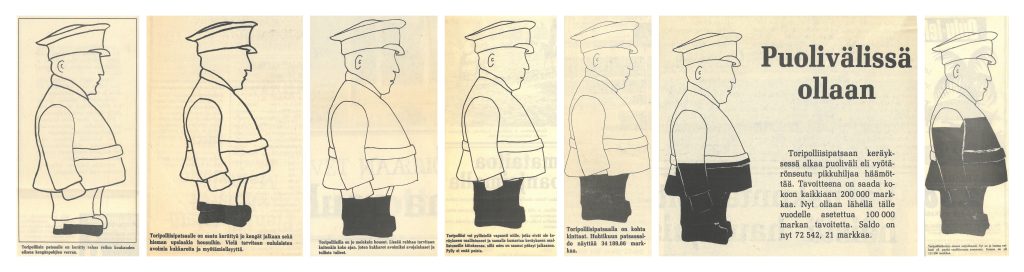
The progress of the funding was followed in the Oulu magazine and Kaleva. Pieces of Toripolliisi’s clothing were separately priced; the jacket was acquired with 95 000 Finnish marks.
The pieces of the statue’s uniform were individually priced so that, for example, the jacket could be purchased with 95 000 marks and the pants with 20 000 marks. Money was collected all over the city in milk cans. One could also file signed greetings or book meeting dates by the future Toripolliisi statue via bank transfer forms. The hope was that each citizen would participate in the project voluntarily and joyfully. Money was also collected by selling postcards, miniature statues, and Toripolliisi cookies baked at the local Antell bakery. A dance was also organized at the Kauppaklubi, as well as steam engine rides were offered between the Oulu and Tuira railway stations.
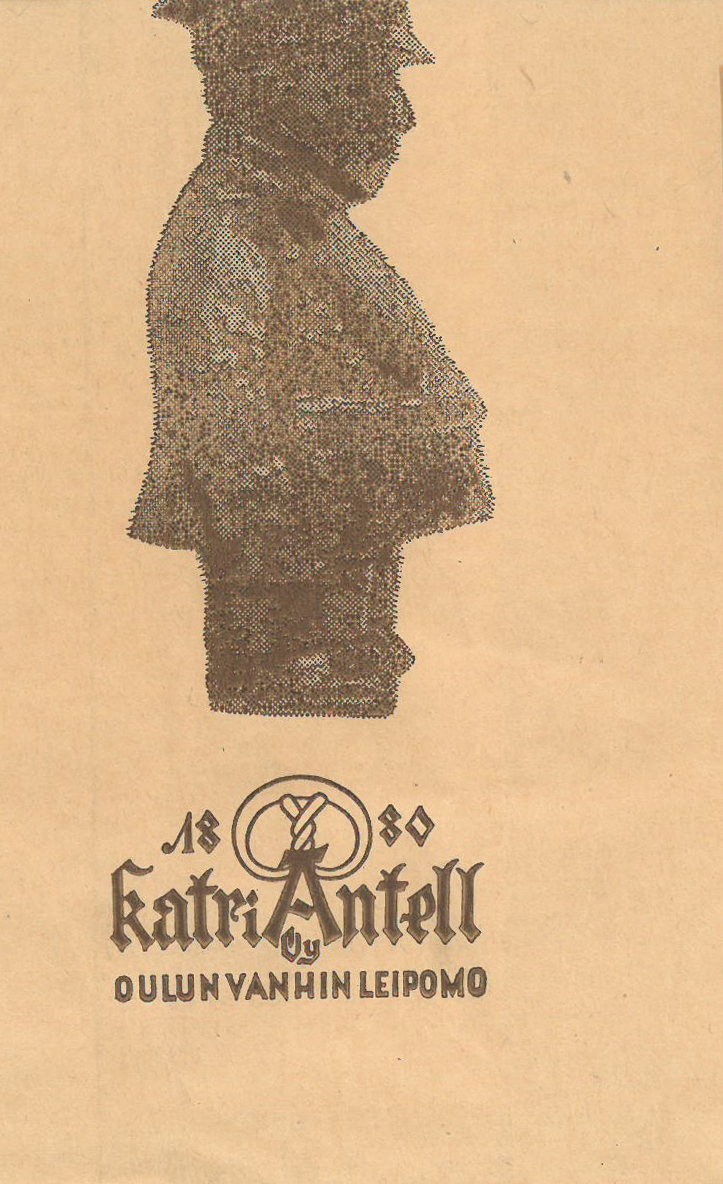
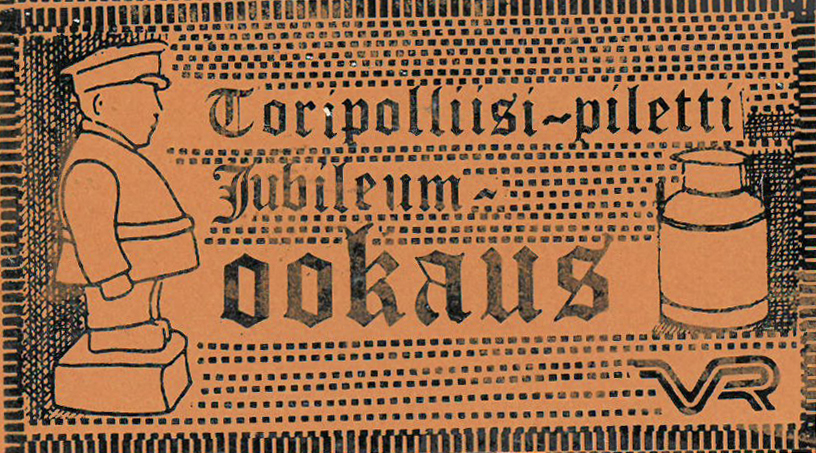
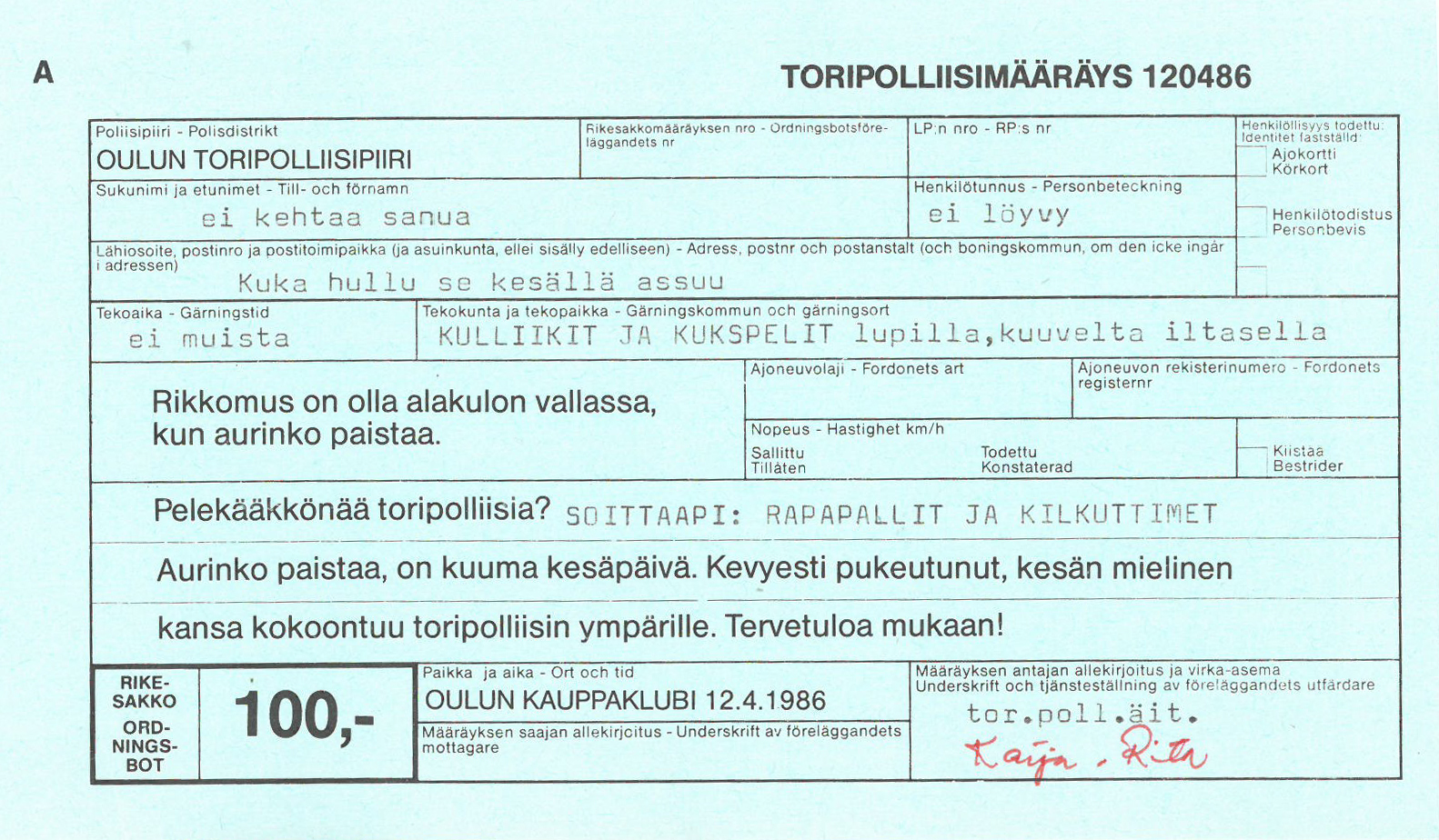

After two years of active collection, the required amount of money was gathered. The final part of the funding (the statue’s base) was provided by the city of Oulu. The Toripolliisi statue was unveiled on Oulu Day, September 5, 1987. The Police Choir and the brass band Vaskiveikot performed at the event. Both the artist Kaarlo Mikkonen and the Toripolliisi received flowers and thunderous applause from the citizens. The city of Oulu accepted the statue at the event, and it was incorporated into the Oulu City Collection administered by the Oulu Art Museum.
It is noteworthy that the base of Toripolliisi was purposefully set quite low to ensure that the statue is approachable.
It was stated at the celebratory address: “Toripolliisi is an essential part of the spirit of Oulu, just like the Star singers, Rössypottu, the midnight sun, and cruel winters”.
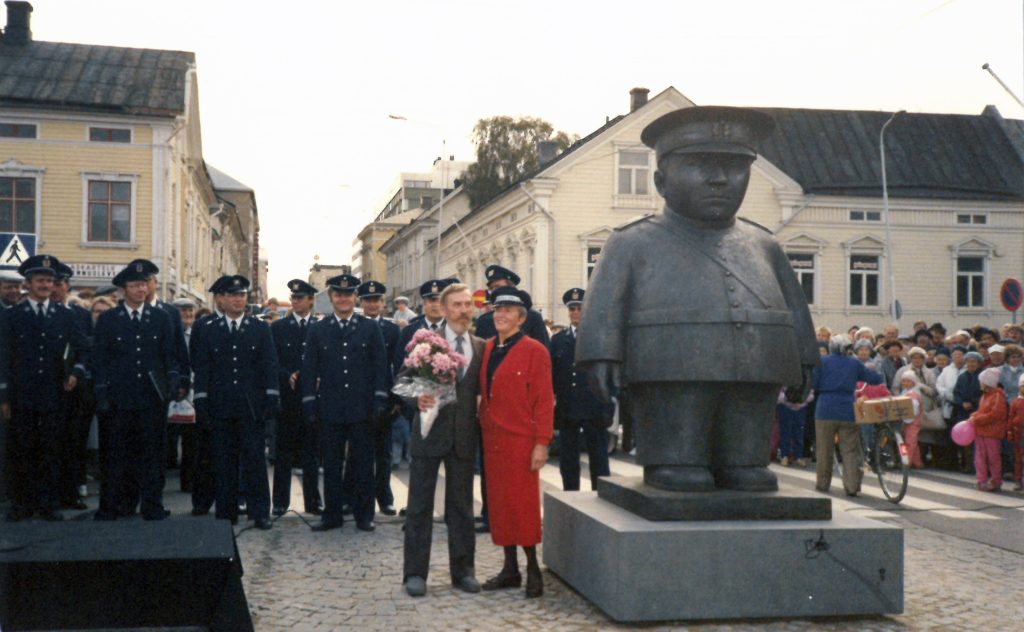
At the unveiling event of the Toripolliisi on September 5, 1987, on Oulu Day. The Police Choir performed. Artist Kaarlo Mikkonen pictured at the front holding flowers next to Kaija-Rita Koivisto.
Law and order – in search of role models
There is a reason why Kaija-Rita Koivisto wanted a police statue on the Oulu Marketplace. In the history of the city, police officers supervising order and safety at the Marketplace have been a familiar sight all the way from 1906 when the very first official Marketplace Police Officer Jaakko Mikkola (1872–1960) started working. He served in the role until 1933. After Mikkola, the role was taken over by Kalle Vuoriluoma until the end of the 1940s. Between years 1949–1965, Mikko Piippo serves as the Marketplace Police Officer, and after him the role was taken over by Olavi Kivelä from 1965 until 1979. The visible role of police officers on the lively Marketplace created many living memories and local idioms.
However, the true role model for the statue was the artist Kaarlo Mikkonen’s father-in-law Pekka Repo (1890–1980). Repo served a long, 37-year career as the police chief of Paimio. The artist and his sculptor wife Raili Repo (1927–2021) have reminisced how the short and stout police chief put on his uniform with many grunts and groans. By nature, Pekka Repo was a peaceful man who skied and enjoyed singing.
You may inspect the Toripolliisi miniature in detail here. Kaarlo Mikkonen’s bronze miniature was created between 1963–1973. It is part of the Oulu Art Museum Collection.
Kaarlo Mikkonen – from a painter into a sculptor
Kaarlo Mikkonen was born in Kajaani in 1920. Before his artist career, he served on the front lines. During downtimes in the military, he made art. After the war, in the late 1940s, he moved to study painting in the Fine Arts Academy of Finland where he met his wife. In the 1960s, the family moved to Porvoo. Gradually, Kaarlo Mikkonen started sculpting like his wife. Later, the couple divorced and Kaarlo Mikkonen moved back to Kajaani, to his soul landscape. In his final years, the 80-year-old artist refused to stop sculpting. He spent his final days working with the help of his artist’s pension, until he passed away at the age of 81 in Kajaani.
Mikkonen created his sculptures out of soapstone and bronze. Creating small, simplified, and serious human sculptures is very different than the 2,20-meter playful and gentle Toripolliisi in Oulu. Toripolliisi was Mikkonen’s first public commission. He began working on the large sculpture in the fall of 1985, and its draft filled his entire workshop. The sculpture was cast in the Lapinlahti Foundry, about 230 kilometers south-east of Oulu. The artist was overjoyed with the good reception of his work in Oulu.
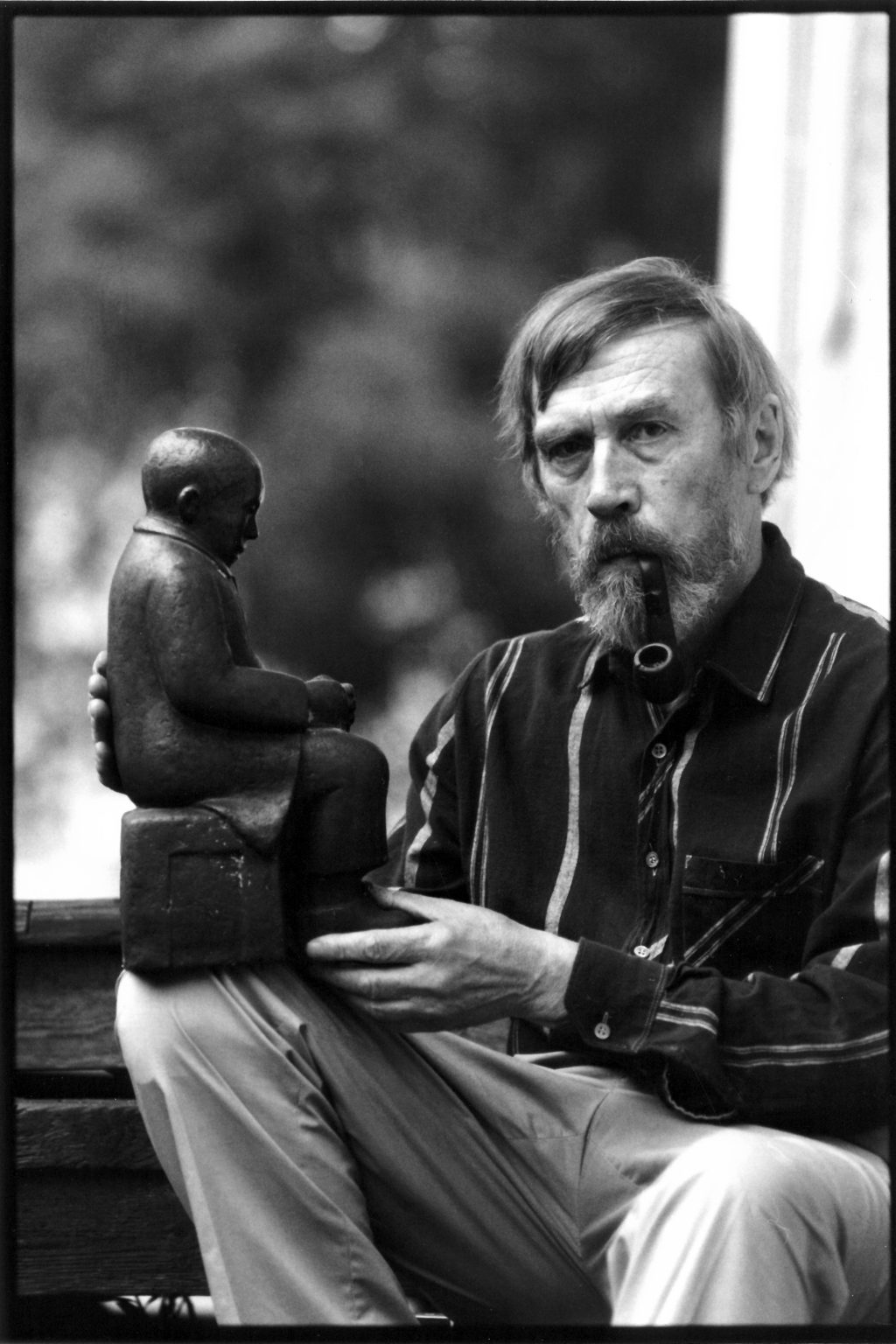
Kaarlo Mikkonen pictured with his sculpture Seuramies Miettinen.
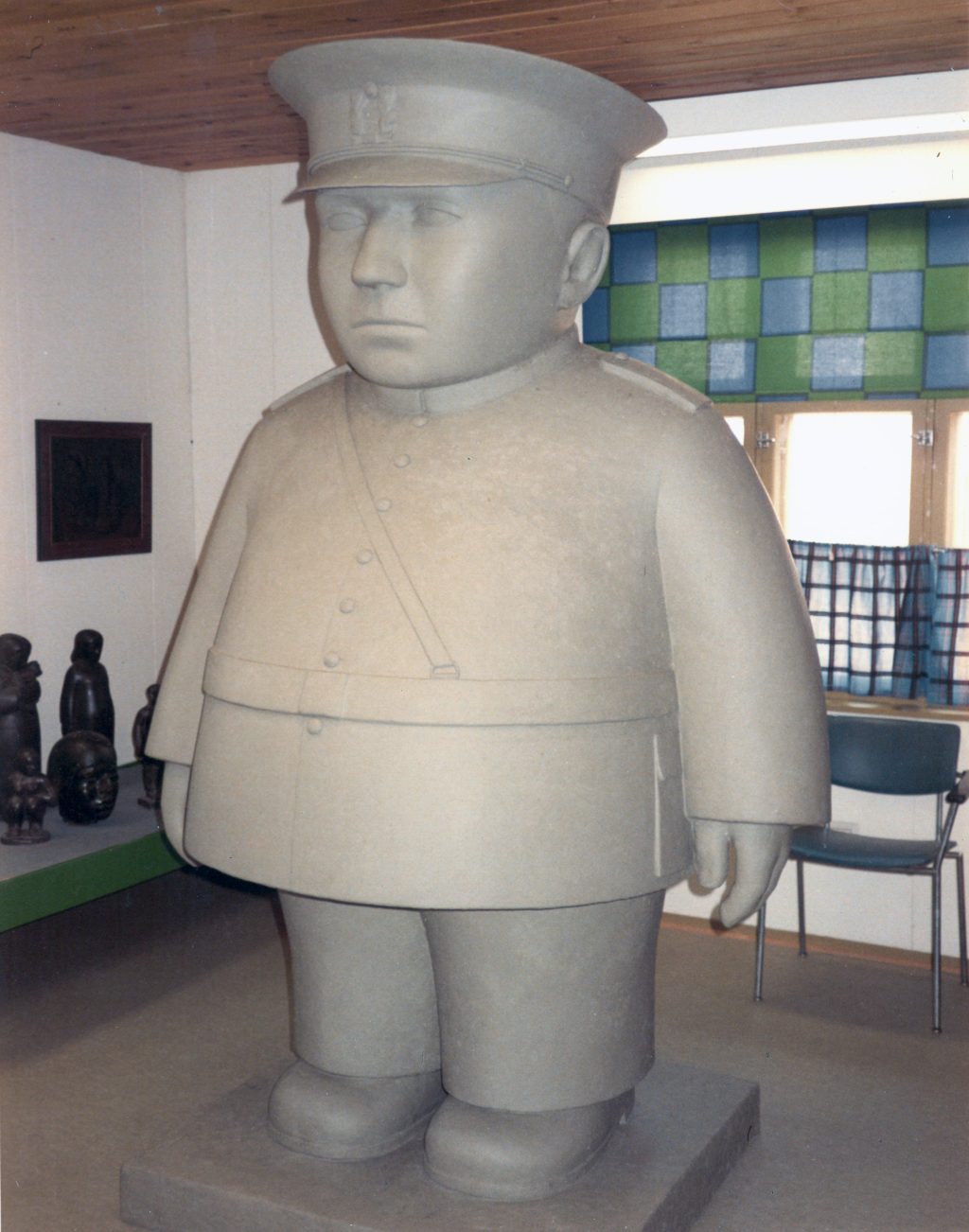
Draft of the Toripolliisi sculpture in Kaarlo Mikkonen’s workshop in Teppana.
Beloved everyday hero of Oulu
Today, you can find the Toripolliisi in many commercials, products, and shared memories. Even though the statue project faced a lot of critique, after decades this hefty everyday hero wearing a wide belt and a cap, facing the sea, and spreading joy in the Marketplace has become a gentle symbol of the city of Oulu.
Many recognize this local parlance in the local dialect: ”Ookko nää Oulusta? Pelekääkkö nää polliisia?” (Are you from Oulu? Are you afraid of the police?). Well, you don’t have to be afraid of Toripolliisi. The firm figure standing outside the Market Hall represents the heart of Oulu and is the most significant part of the city’s living cultural heritage. It is an active part of local celebrations and events, often dressed in new clothes. Exactly as originally planned.
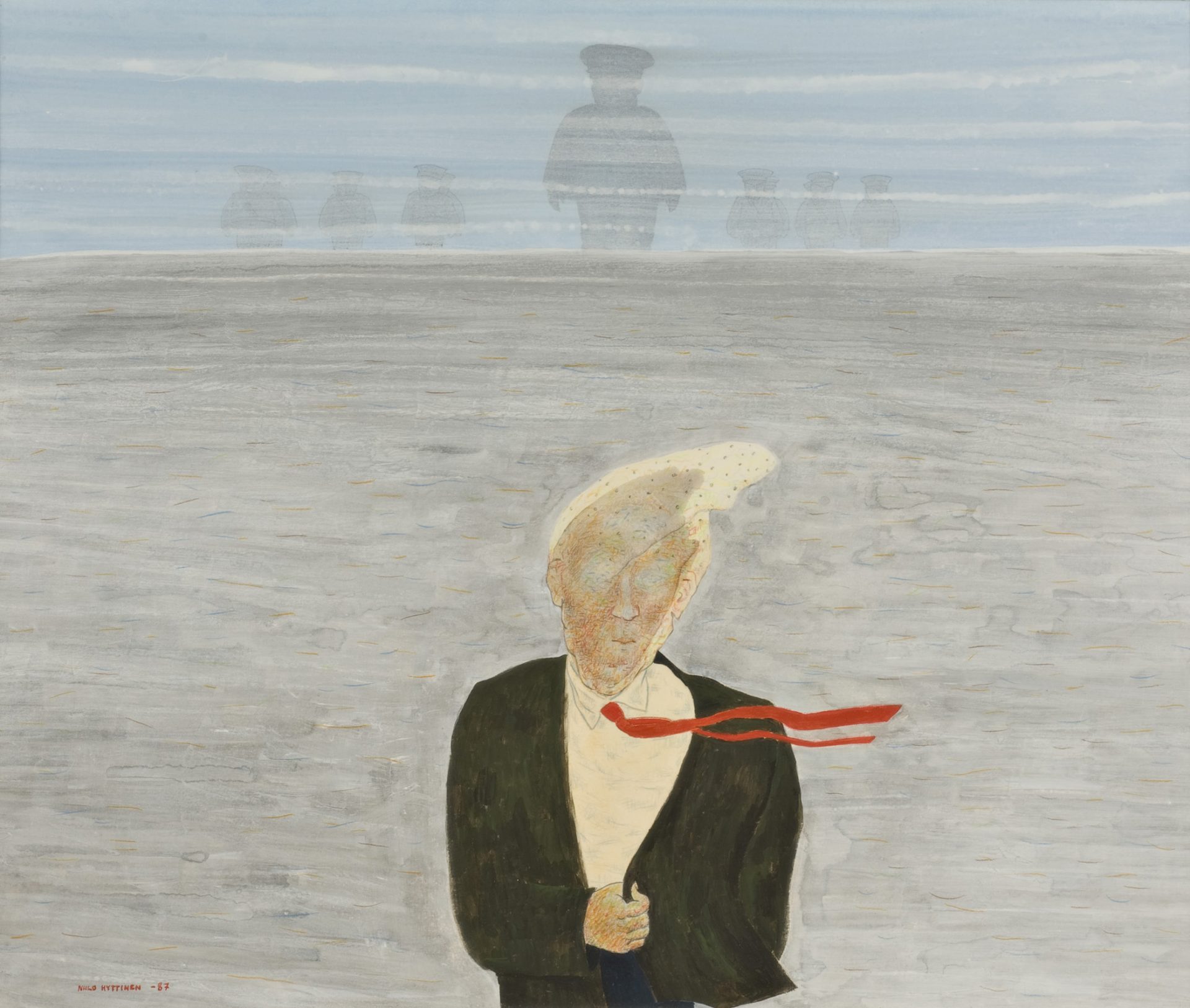
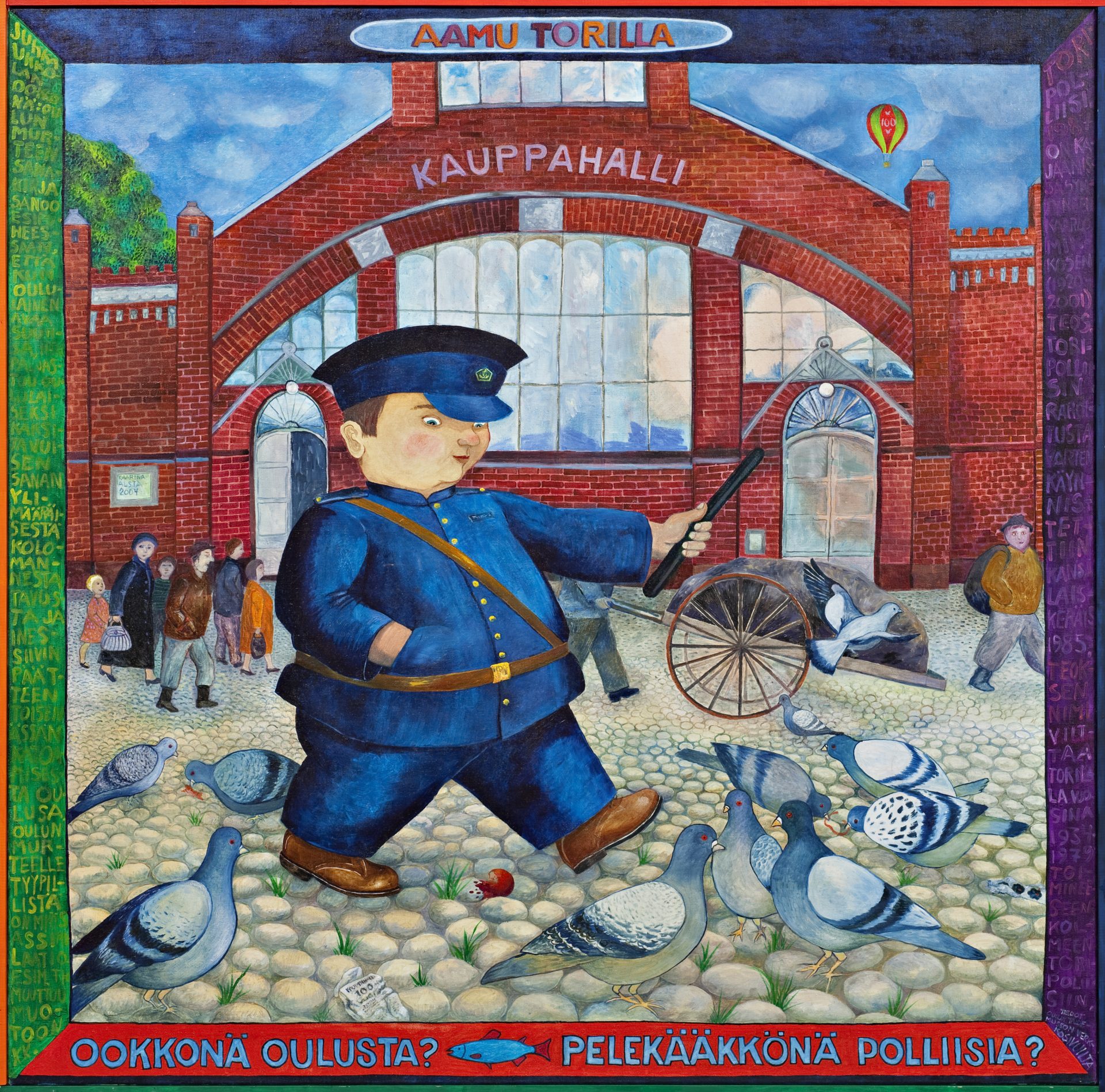
Text: Curator of Collections Katariina Kemppainen
English translation: Communications Assistant Joel Loukkola
Images and video: Digital Documentation Specialist Mika Friman
3D model of the sculpture: Digital Content Specialist Dita Tammivaara