

What does strong, gentle wood feel like? Where does its voice sound out? How can one dare to be strong and gentle – to touch and be touched?
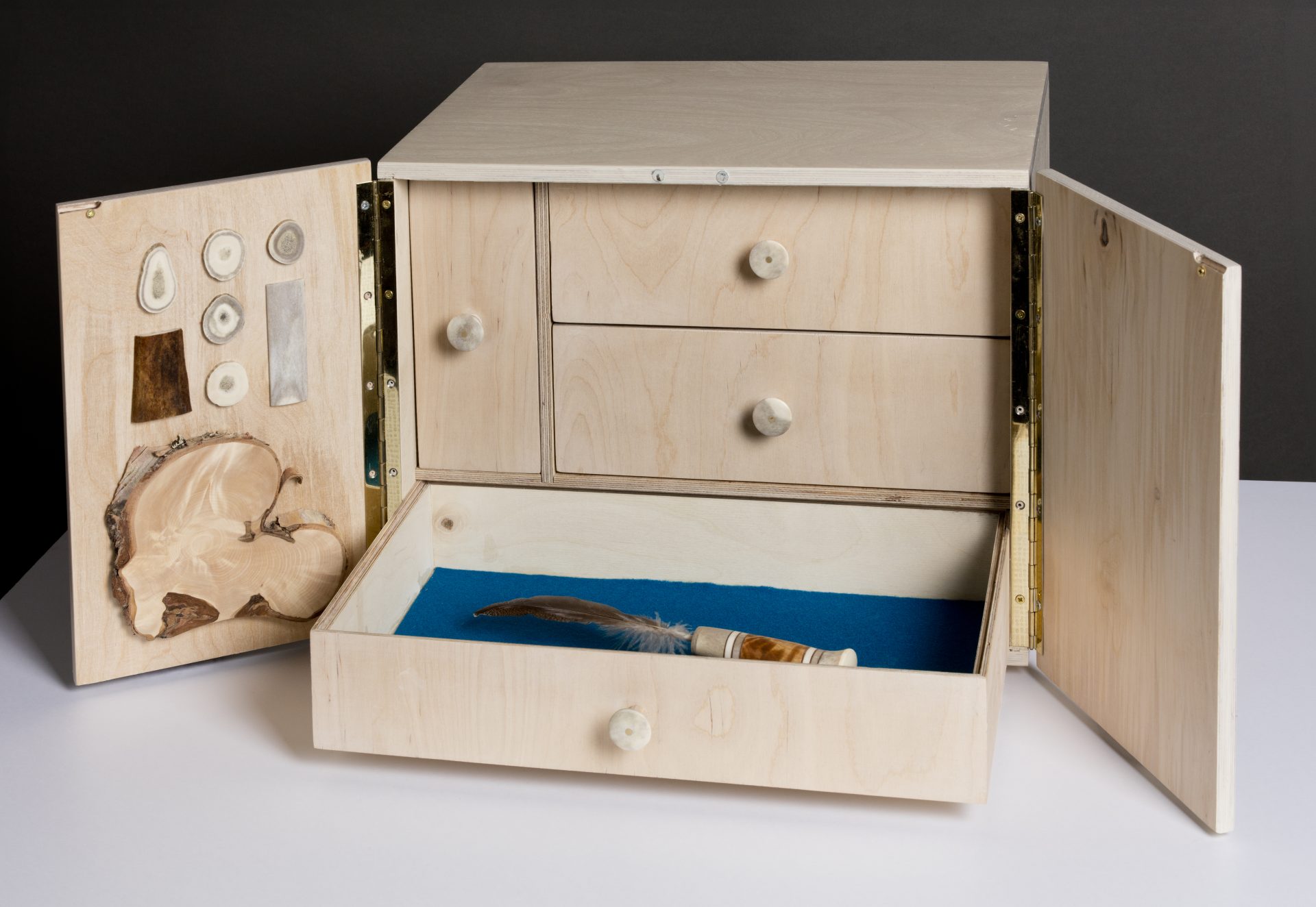
The mini art cabinet of Sámi art – called Nana, litna muorra – was finished in Oulu and Inari in early 2026. It will tour elementary schools as part of Oulu Art Museum’s regional responsibility work.
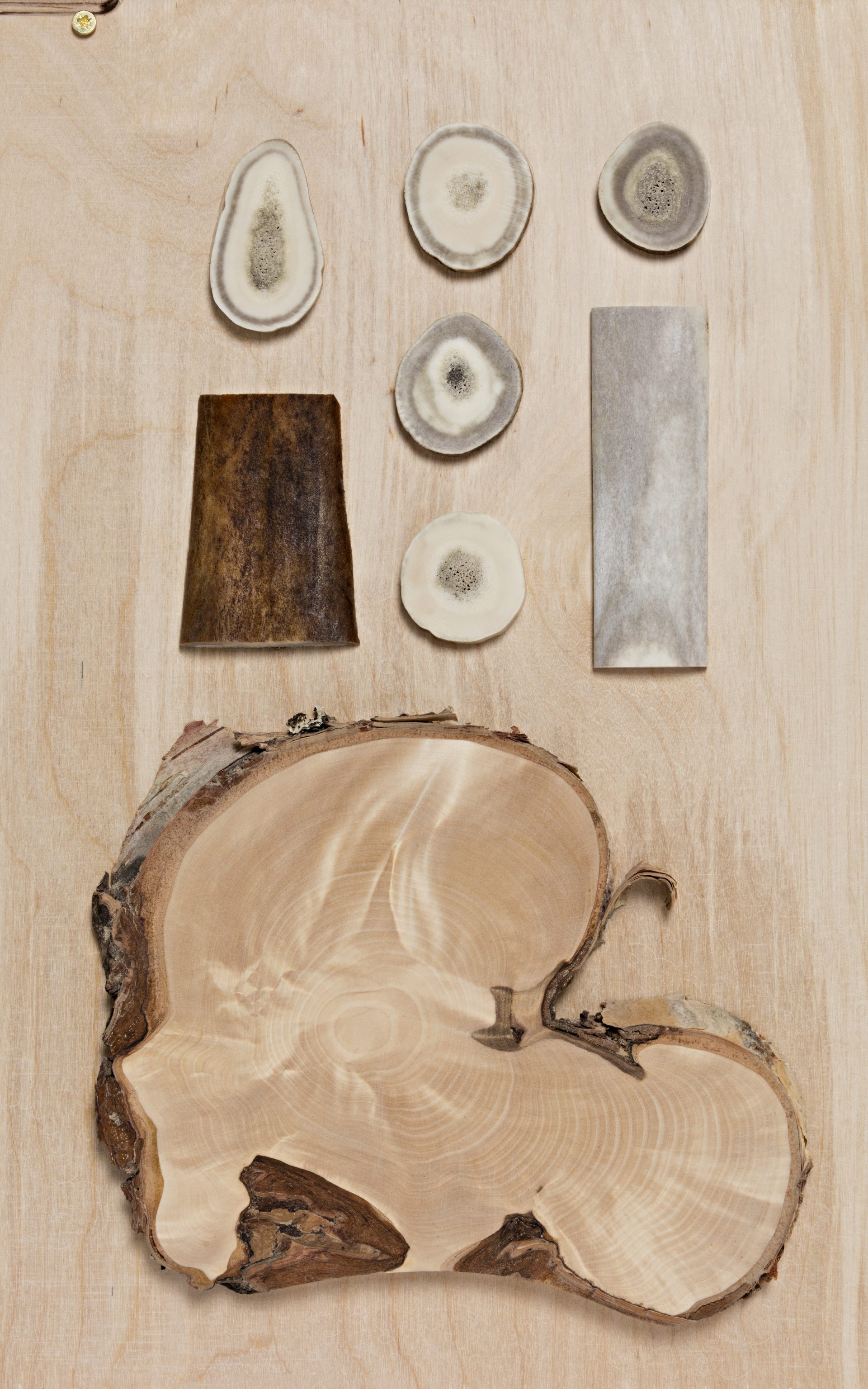
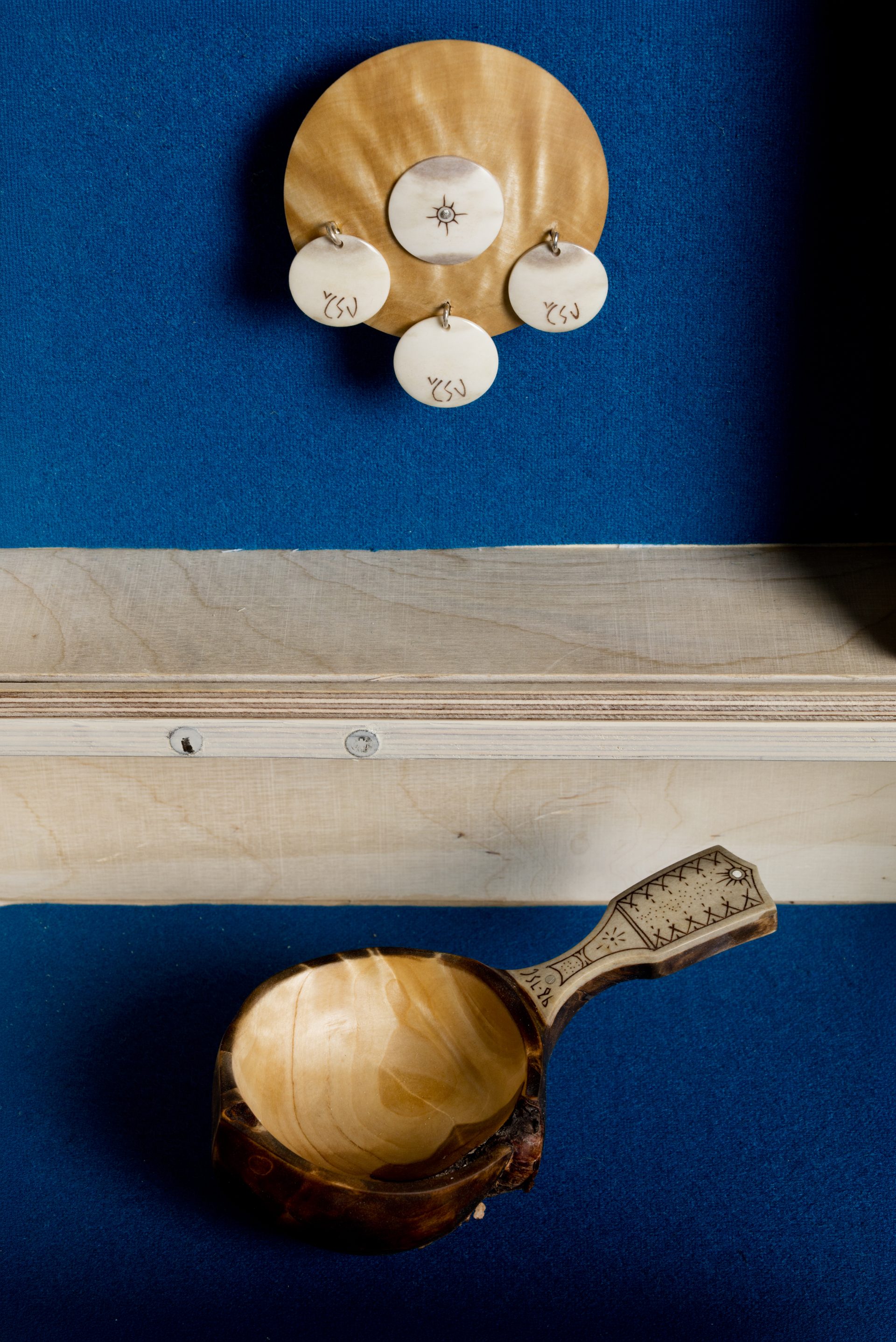
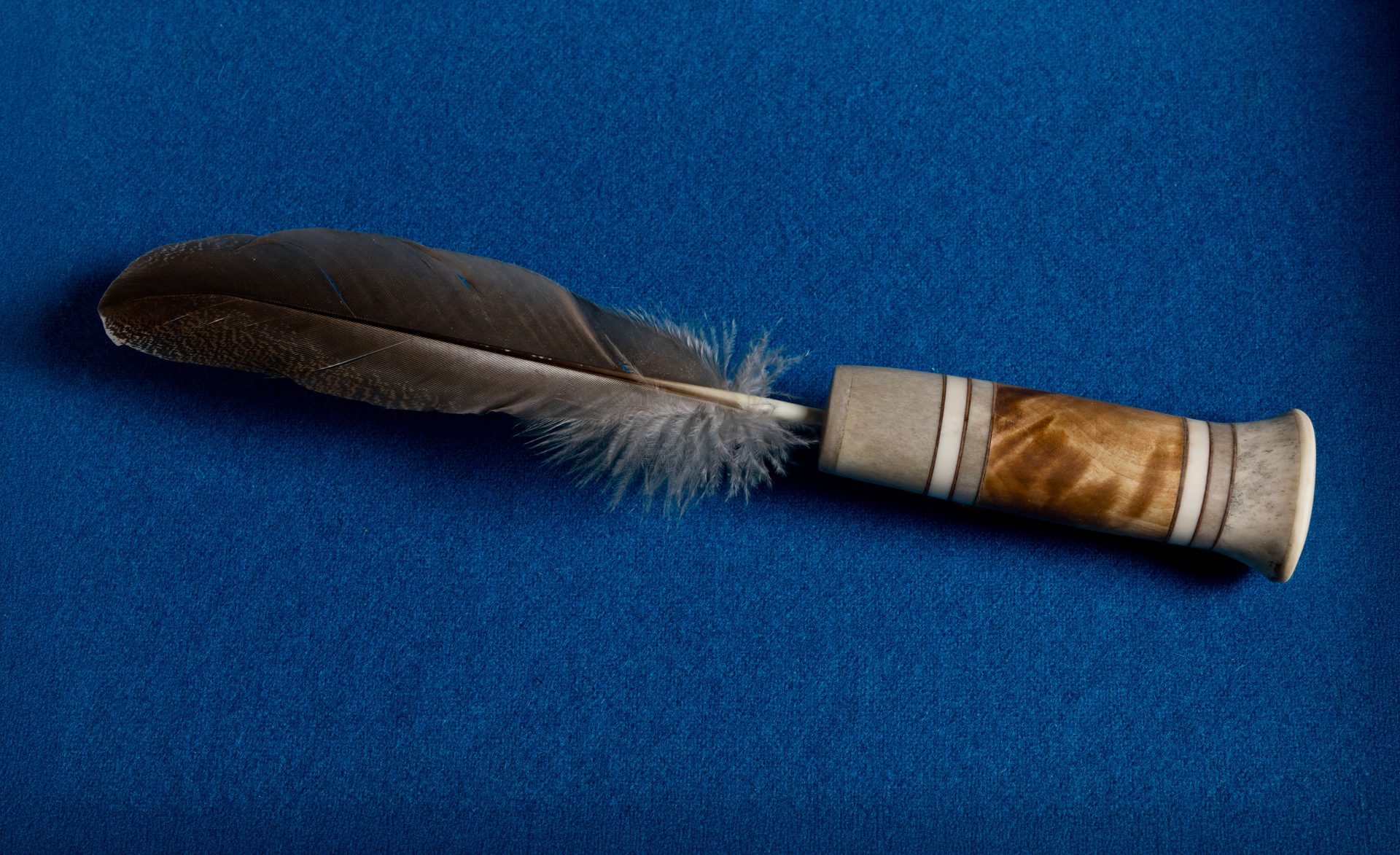
Nana, lina muorra represents the connection to nature, the natural human need to be touched and express emotion, and the consideration of home and where the heart is. The artwork also consists of material samples, information on the art pieces, artists, and the Sámi identity, as well as ideas for observing the mini art cabinet. The booklet’s tasks are suggestions on how to explore the art piece with children. They encourage discussion and trials while considering age groups.
The mini art cabinet can be reserved free of charge to elementary schools in North Ostrobothnia and Kainuu. The reservation period varies between 2–4 weeks, depending on the needs of the municipality’s schools. Reserve the mini art closet here (form in Finnish).
Nana, litna muorra mini art cabinet weighs about 15 kg and is delivered from one municipality to another by Posti. The mini art cabinet can be displayed in a classroom during class or in some other safe location where pupils may study it with a teacher. Before observing the mini art cabinet, it should be placed on a table or some other podium.
Nana, litna muorra is produced by the Oulu Art Museum and implemented by artists as a commission. It has received funding from the Finnish Heritage Agency.
Artist Jouni S. Laiti
Jouni S. Laiti (b. 1965) is an artist born in Utsjoki and is now living and working in Inari. By training, he is a duojár, meaning a Sámi craftworker. Laiti has spent most of his adult life in reindeer husbandry and has spent time in nature, fishing, and berry-picking. Laiti’s art brings together the Sámi way of life and the different values of modern society.
Laiti draws inspiration from his own experiences in the changing environment and his observations of being human in these modern times. His art’s aesthetics and methods are based on duodji, the Sámi craft tradition.
Deep respect for nature guides Jouni S. Laiti, and he emphasizes his respect for the significance of coexisting with his environment. Laiti participates in societal dialogue with his art by highlighting the friction between nature and industry.
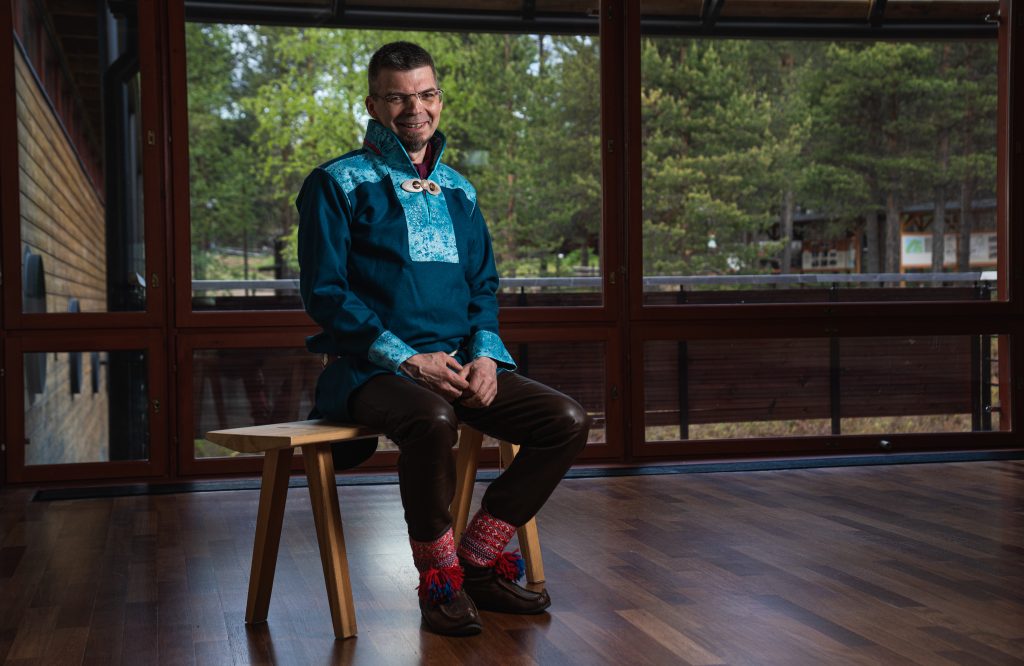
Jouni S. Laiti. Photograph: Kevin Francett.
Rap artist Yungmiqu
Mihkku Laiti (b. 2002), stage name Yungmiqu, is a Sámi rap artist from Utsjoki. He combines northern rap sounds and elements of electronic music in his songs.
During his career, Mihkku Laiti has made music with popular Sámi artists, such as Ailu Valle, Amoc, and Niillas Holmbeg -> Holmberg. Laiti has also appeared in a documentary film about his life called Revontulten räppäri (2023).
Yungmiqu’s music brings together personal and societal themes, such as the relation between north and south, the Sámi identity, the Sámi language, and the growth of a young artist. Mihkku Laiti highlights the questions of living in a minority culture and emphasizes pride in one’s roots.
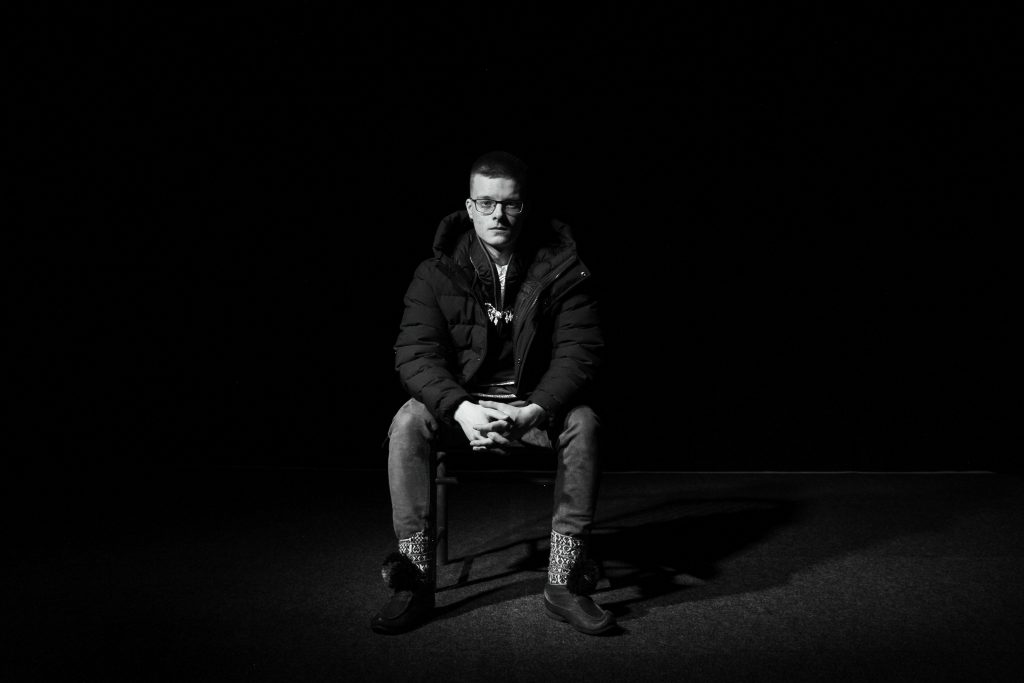
Yungmiqu. Photograph: Vilda Simon.